Tagpass wants every product to carry its own passport
Musivo Group's Tagpass gives physical objects a digital identity — authenticity, provenance and story, one scan away — as Digital Product Passports move from idea to regulation.
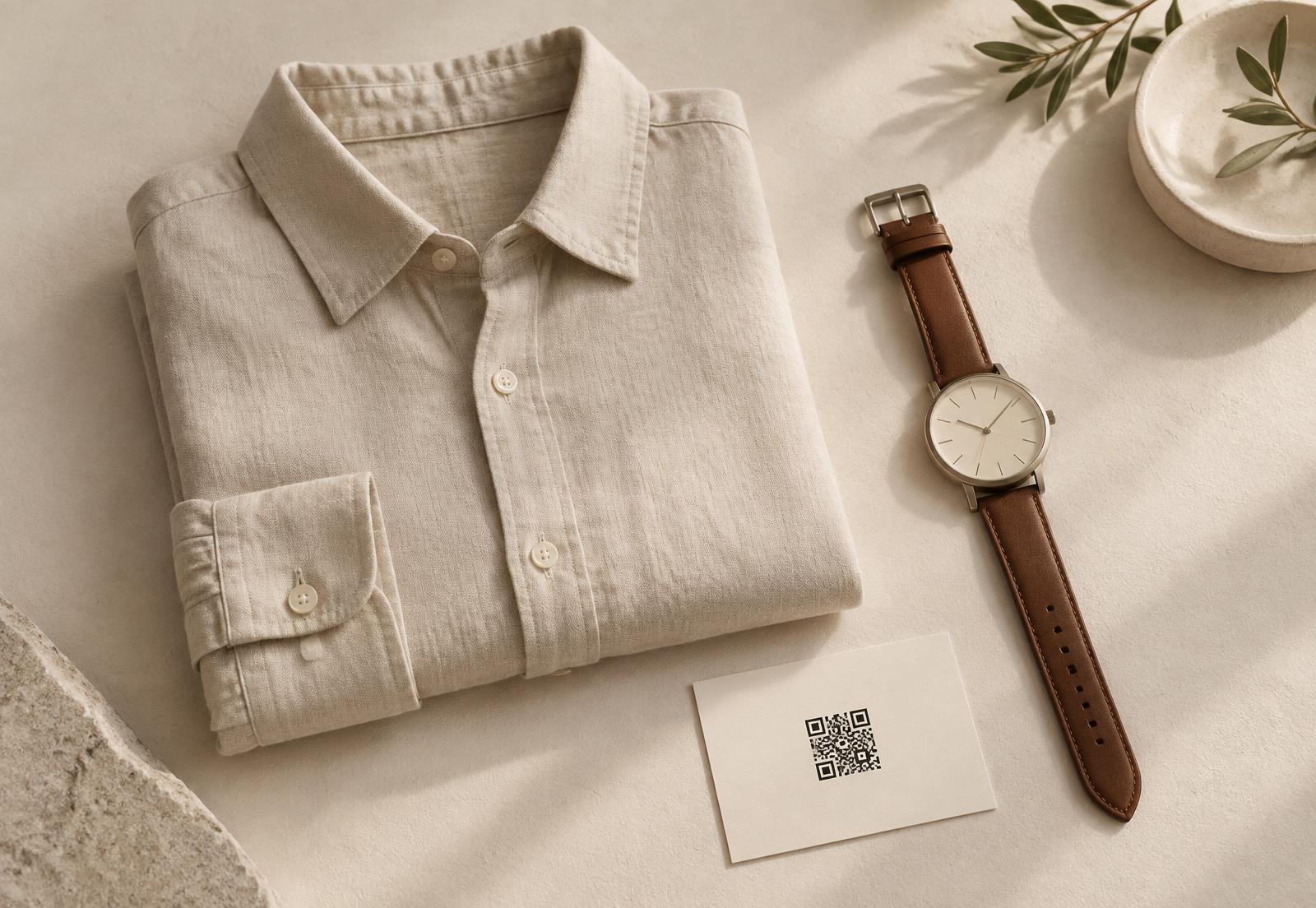
Scan the tag, see the product. That is the promise of Tagpass: where an object comes from, what it is made of, how to care for it — and proof that it is genuine.
A digital identity for physical things
Tagpass describes itself as the digital passport for products. Each passport carries three things:
- Authenticity — verifiable proof that a product is genuine, from origin to owner.
- Provenance — the full journey of a piece: materials, makers and ownership.
- Story — the narrative of the object, passed on with each new owner.
For brands, the company says, it is a new standard of trust. For owners, it is the certainty that what they hold is real.
Three steps
Brands add their products — by hand, from a file or straight from their store — fill in guided sections at their own pace, and publish. Each product gets its own page and QR code.
No lock-in
Tagpass codes are built on a brand's own product numbers, using open standards. Data can be exported at any time, and passports go with the brand if it ever leaves.
Ahead of the rules
Digital Product Passports are becoming a regulatory requirement in the European Union for a growing list of categories, including textiles and apparel, fashion and accessories, batteries, electronics, furniture and toys. Tagpass supports those, as well as voluntary categories such as home, beauty, sports and packaging — and says plainly which is which. Brands can start free for their first ten products.
Tagpass is a venture of Musivo Group, founded by Tarkan Ertan.
This founder note was written by or with the company featured.